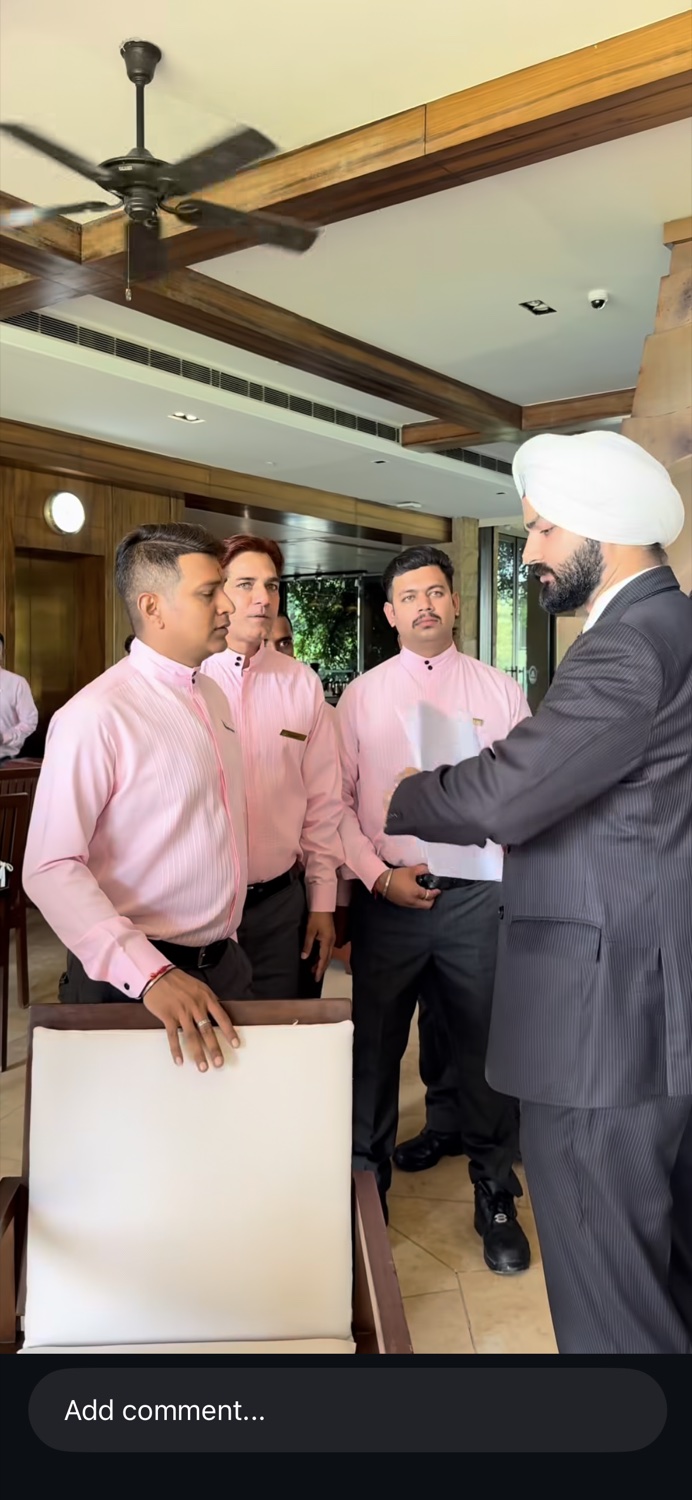
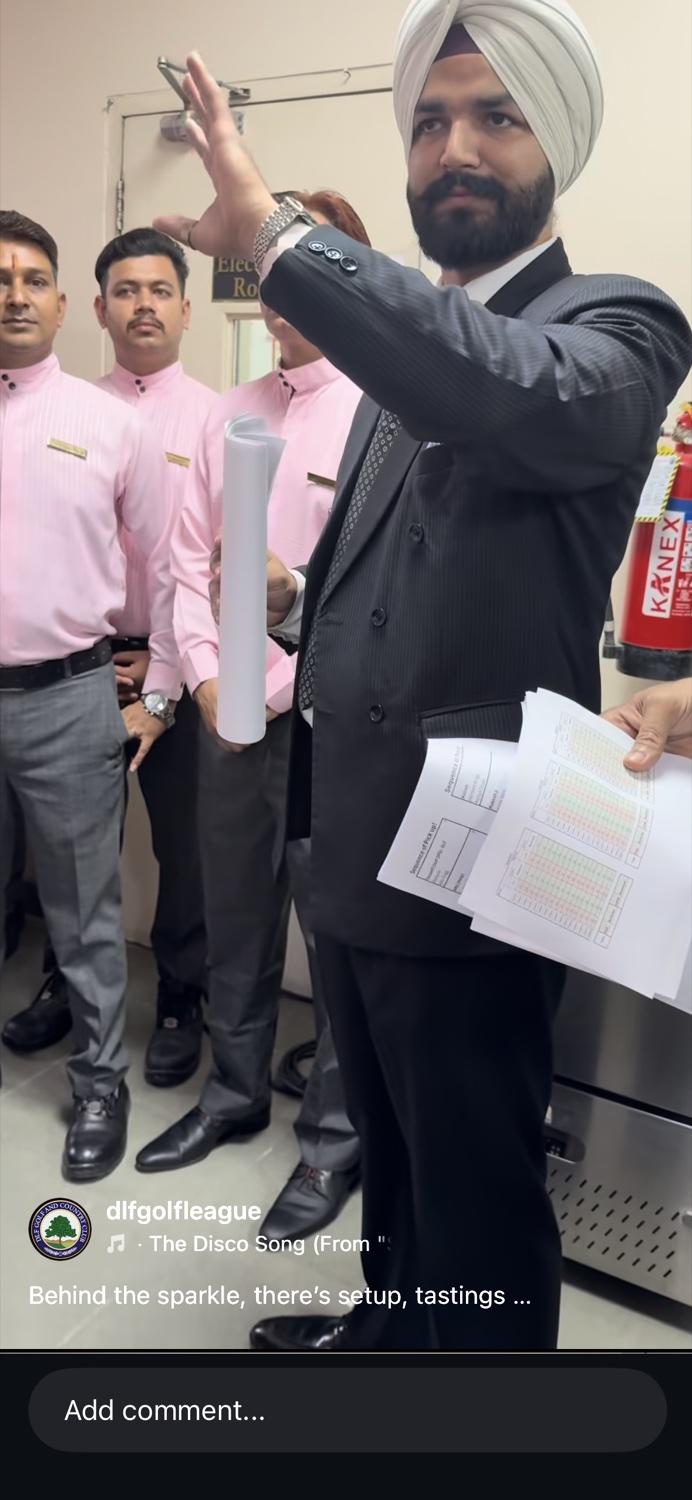
01Recommend a dish or drink with confidence, without sounding scripted.
02Notice a guest problem early and recover it before it becomes a complaint.
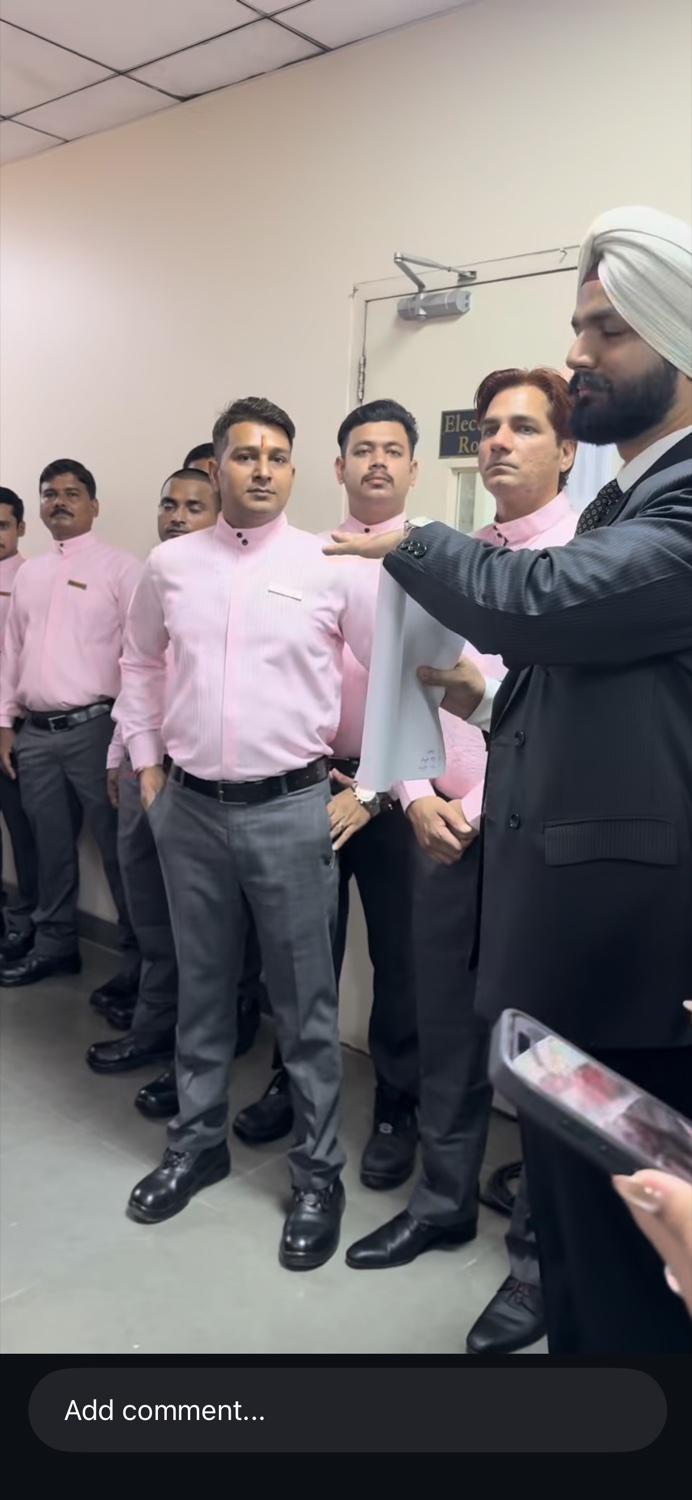
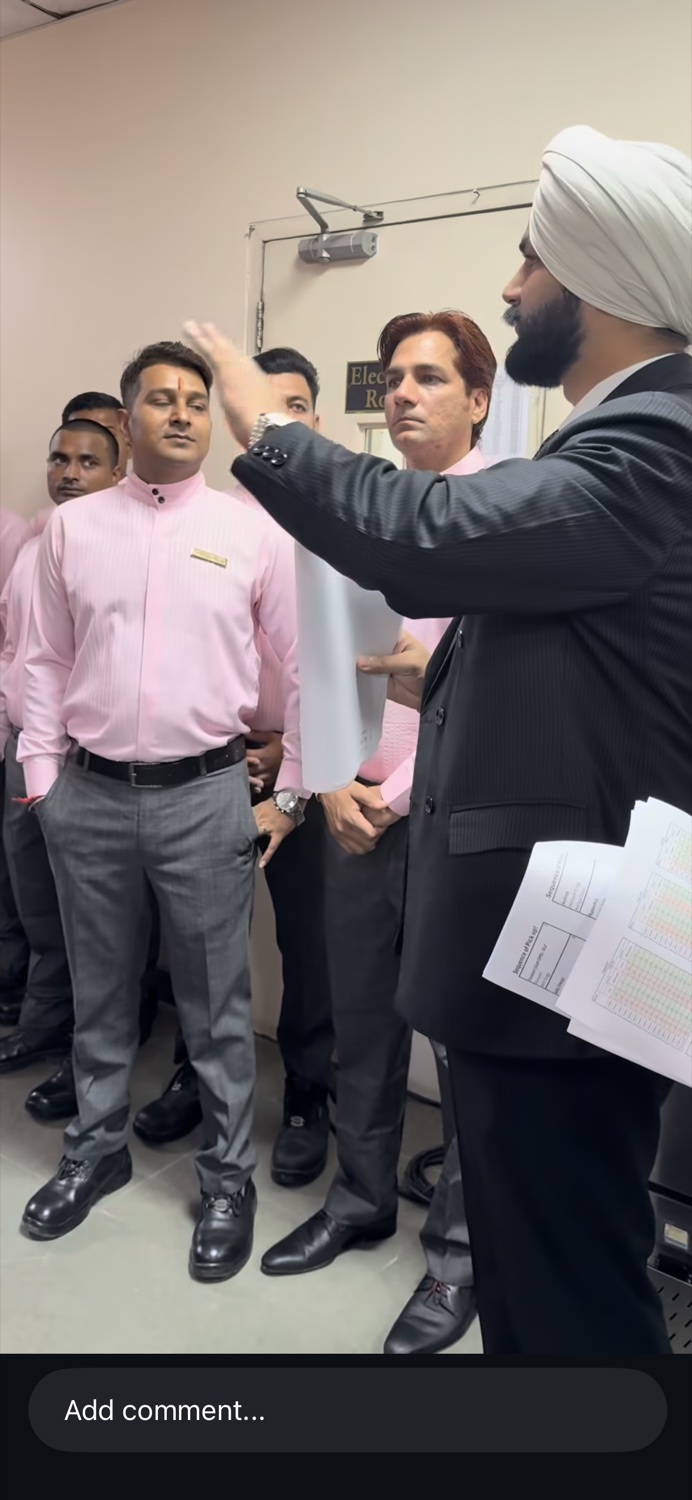
03Run a clear pre-shift briefing and allocate the floor properly.
04Follow the same service, stock or closing routine on every shift.
05Give useful feedback and check whether standards are holding.
Built from the operation
No generic presentation.
We use your menu, service sequence, guest situations and manager routines. The team practises decisions and conversations they will actually face at work.
Three training formats
Choose the format that fits the problem.
01
Team Skills Workshop
For: restaurant and bar service teams.
Used for: menu knowledge, recommendations, beverage selling, guest reading, complaint recovery and service standards.
You receive: venue-specific scenarios, a team standard sheet and a manager observation scorecard.
02
Manager Operating Programme
For: supervisors, assistant managers and managers.
Used for: briefings, floor deployment, observation, coaching, recovery, shift control and close-out.
You receive: a briefing template, manager shift checklist, coaching log and weekly review rhythm.
03
On-floor Coaching
For: teams that know the standard but do not hold it during live service.
Used for: observing a real shift, correcting workflow and behaviour, and coaching managers in the moment.
You receive: a live snag log, coaching priorities and a 30-day reinforcement plan.
How the work runs
Diagnose. Build. Practise. Reinforce.
01
Diagnose
Owner and manager conversation, material review and, where required, observation of the operation.
Output: training brief and chosen behaviours02
Build
Programme shaped around the venue, menu, guest journey, roles and real service situations.
Output: session plan and practice scenarios03
Practise
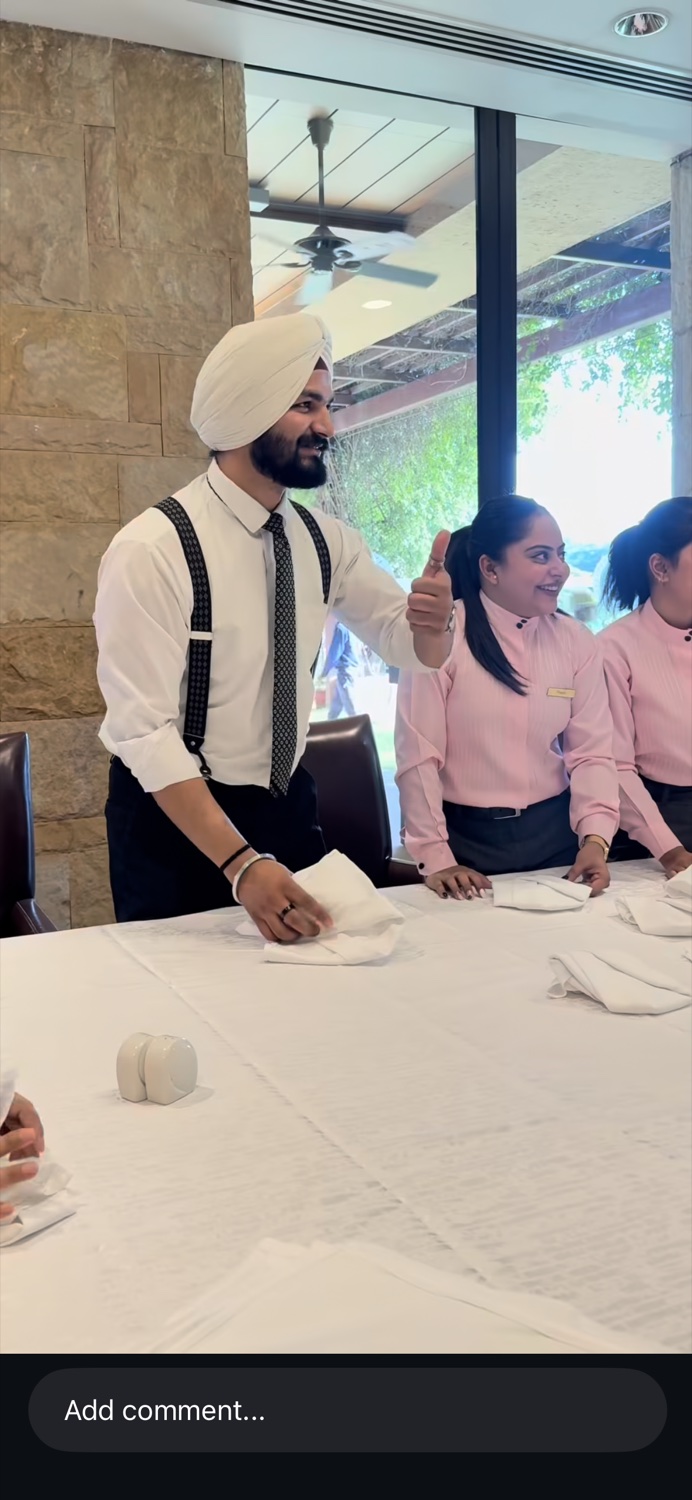
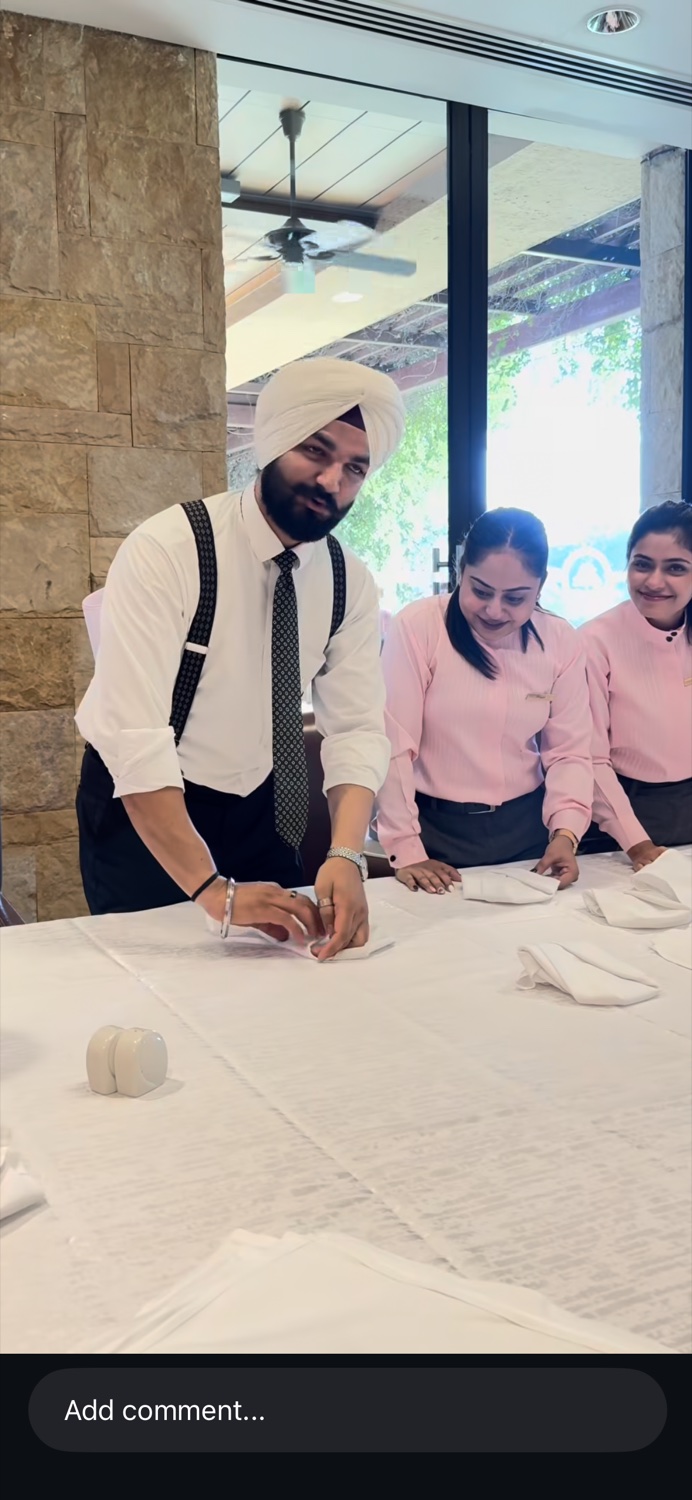
Short teaching blocks, demonstrations, role practice, feedback and repeat attempts.
Output: observed behaviour and action notes04
Reinforce
Managers use the scorecard, briefing tools and agreed review rhythm after the session.
Output: 30-day reinforcement plan
The core deliverable
Your Training Implementation Pack.
The exact contents depend on the programme. The manager should have usable tools after we leave.
01Training needs and behaviour brief
02Venue-specific session plan
03Real service scenarios and exercises
04Team standards or shift reference sheet
05Manager observation scorecard
06Briefing or coaching templates
07Participant action commitments
0830-day reinforcement and review plan
How we check it worked
Measure the behaviour, not the applause.
Before the programme, the manager selects three to five behaviours to watch. The same behaviours are reviewed during practice and again on the floor.
Examples include briefing quality, menu recommendations attempted, complaint steps followed, closing checks completed and coaching conversations recorded.
First step: send the team size, roles, venue or concept, menu, current SOPs and the three things you most need people to do better. Follow-up support can be added if managers need help reinforcing the agreed behaviours.
What should your team do better on the next shift?
Tell us the behaviour you need to change. The first conversation is on the house.